By John Keller
Sometimes, when we’re standing in the midst of something great, we don’t realize how close it was to not happening.
A great marriage or friendship that began with a seemingly random crossing of paths.
A dream job that, if not for one by-chance conversation, would never have materialized.
Maybe it’s a sports championship that was one shot, one goal, one pitch away from not happening.
For the last few years, as I’ve reflected on the church where I am the lead pastor — Northgate (Batavia, New York) — I’ve had that feeling … ever since we first came across the name Watson Bullock.
The first time I heard Bullock’s name was when Sharon Burkel, president of the Batavia Cemetery Association, came to speak at a seniors luncheon here at Northgate.
Businessman and Believer
Watson Bullock was born in 1844 in North Carolina as a slave. At that point, he wouldn’t have seemed like someone who would play such a significant role in preserving a Free Methodist church over 600 miles away. However, there were many twists and turns left in the life and legacy of this man. After the Civil War ended, Bullock moved north, and his family settled in the Western New York area.
In 1878, he moved to Batavia to establish a dyeing and cleaning business. Around that same time, he became a member of the fledgling First Free Methodist Church of Batavia. “It was an ex-slave from North Carolina, Watson Bullock, who was responsible for keeping the newborn Batavia Free Methodist Church on its feet.”[1] Two years later, in 1880, the church purchased its own building.
By the end of the decade, church members found themselves unable to sustain the property and made the decision to sell it. There was significant debate about what to do with the resulting proceeds from that sale, but Bullock was insistent that they be held onto. He believed the church would fight through this challenging season and once again flourish to the point of needing a building in the future.
_
“A man of integrity, vision, and faith believed that God was not done with this church in this city…”
_v
Former Senior Pastor Vern Saile said, “The concern was, if the money is sent back to the conference, it’ll be used for other purposes. Bullock’s thought was, I’m going to keep this as seed money, because we’re going to have another church here.”[2]
He held the sale proceeds — about $500 (roughly $17,000 in today’s context) — in trust for four years. I’m sure if any of us were entrusted to hold onto $17,000 for four years, we would have ample opportunities to spend it along the way.
But Bullock was a faithful man, full of integrity.
And in 1893, his foresight bore fruit. The $500 he had held enabled the Free Methodist congregation to acquire a half-completed church building in the city. The Batavia Methodist Episcopal Church had run into its own financial challenges, and its members were forced to abandon their plans, putting the unfinished structure up for sale.
A man of integrity, vision, and faith believed that God was not done with this church in this city —and time proved him right.
When Watson died in 1918, the Free Methodist church he fought for and so dearly loved was “crowded with prominent people who came to honor him for his faithfulness to his God, his church, and his community.”[3]
The church went on to meet in that location until 1962, when its members built another building on the other side of the city, which is now home to the Northgate Youth & Community Center. Our current building, opened in 2003, is a half-mile down the road on a 70-acre property just outside the city limits.
The life of Watson Bullock reminds us that faithful, quiet, sacrificial leadership — often unseen —can change the future of a church, a town, and generations. It’s not dramatic to say that Northgate wouldn’t be here without his contributions.
Honor and Reflection
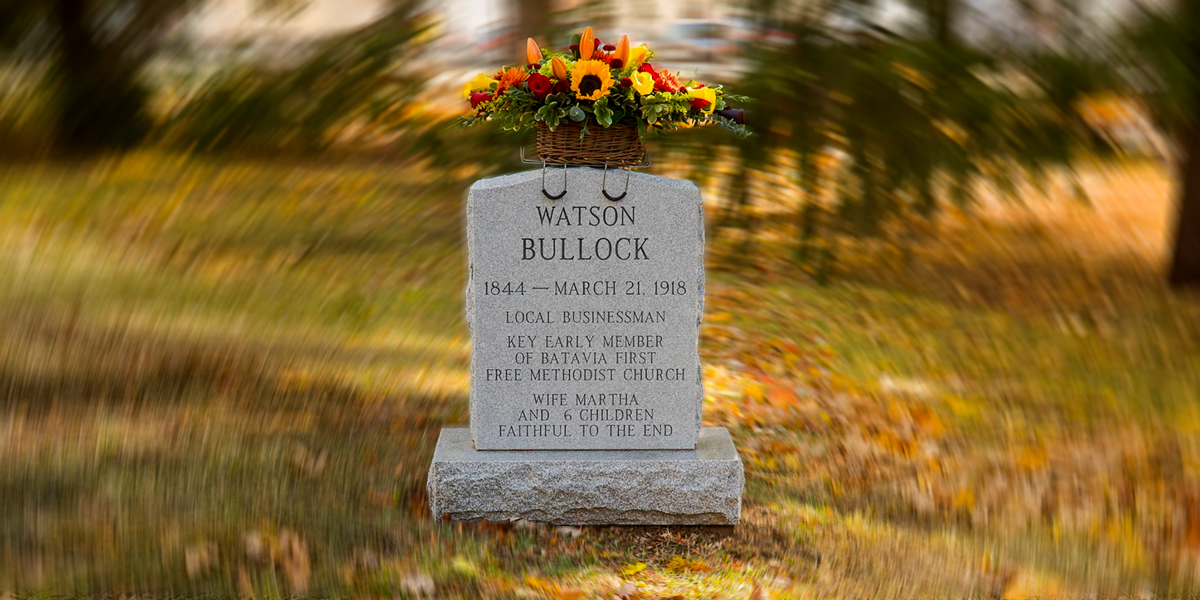
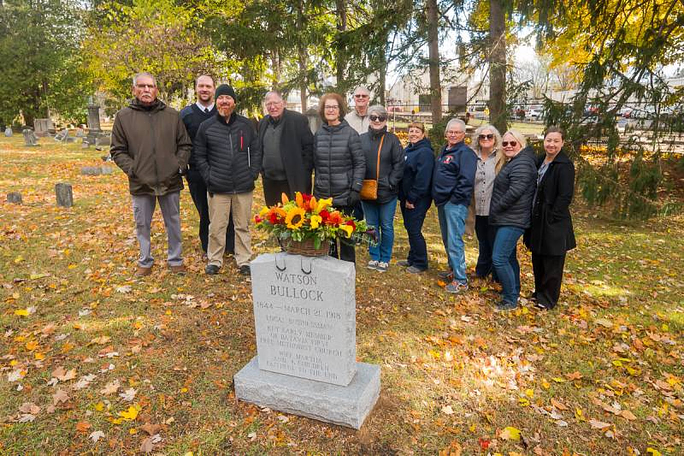
Bullock’s story reminds us that God often works through people who are not widely known or celebrated in their lifetime. When local historians discovered that this significant figure was buried in an unmarked grave, three leaders in our church — Saile, Director of Operations Mark Logan, and Delegate Charley Canon — became deeply committed to rectifying that situation with a gravestone more befitting such an outstanding person.
_
“God took one man’s faithfulness and wove it into a much larger story of redemption and grace.”
_v
We gathered together in November to dedicate the gravestone and to honor and reflect on the life of the man buried there.
As I watch our church grow and thrive — full of God’s presence, vitality, energy, and changed lives — I can’t help but reflect on a man who had a deep belief that God had more to do in this area.
In my 15 years as a pastor at Northgate, I have made a habit of thanking the many wonderful pastors who led this church before I arrived — women and men who loved and led well and laid the groundwork for where we are today. It is that kind of church, where you want to thank and honor the people who helped make it what it is. But little did I know that, as great as they are, they never would have had the chance to lead and serve here without the contributions of a man who was almost lost to the pages of history.
Watson Bullock may not have imagined that his commitment would echo 150 years later in a thriving congregation that still bears the Free Methodist name — but God saw it. And as He so often does, God took one man’s faithfulness and wove it into a much larger story of redemption and grace.
Editor’s note: The following articles from The Batavian Publisher/Executive Editor Howard B. Owens share more of the story of Watson Bullock and his connection to what is now Northgate Free Methodist Church. Light + Life appreciates Owens granting permission to republish his photography that accompanied his reporting.
- The extraordinary life of Watson Bullock, a former slave who served the Batavia community for 50 years
- A former slave, Batavia entrepreneur, in one act preserved the future of two local churches
- Former slave who had a profound impact on Batavia church history honored with grave marker
[1] https://www.thebatavian.com/reader-submitted/history-of-once-prominent-black-resident-of-batavia-coming-to-light-with-new
[2] https://www.thebatavian.com/howard-owens/a-former-slave-batavia-entrepreneur-in-one-act-preserved-the-future-of-two-local
[3] https://www.thebatavian.com/howard-owens/a-former-slave-batavia-entrepreneur-in-one-act-preserved-the-future-of-two-local
+
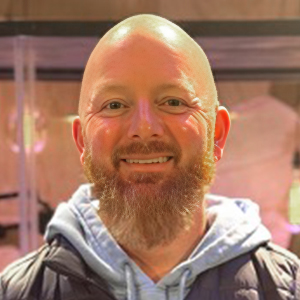
John Keller is the lead pastor at Northgate in Batavia, New York — halfway between Buffalo and Rochester. He has served at Northgate for nearly 15 years and has previously been a campus pastor, next generation pastor, and pastor of preaching and leadership development. His wife, Amy, is a rock star in the pediatric nursing world, having published multiple papers and spoken at both regional and national conferences. They have three lovely daughters: Grace (16), Kinsley (13), and Emersyn (11). John loves the Buffalo Bills, the Boston Red Sox (it’s a long story), pickleball, and his daily cold plunge.
Great Writing + Discipleship Materials