By Joel Webb
In our modern age, Advent is something of a mysterious time. For many, our lives are caught up in the cultural celebrations of the calendar. As the stores move out their Halloween candy for Thanksgiving and fall-themed decorations, with smatterings of Christmas all appearing, everything is busy with the hustle and bustle of the transition from one set of color schemes and decorations to the next. And here’s the thing: It seems to be getting quicker and earlier every year.
So then, why Advent?
Just as we have the season of Lent as a time of fasting and repentance in preparation for the joy and victory of Easter, the Advent season gives us a similar opportunity to prepare for the first coming of our Lord Jesus, and in another way, to continue to prepare for His coming again. This season gives us a sacred opportunity to take account of everything, to look around and see where we might feel like that often-quoted verse:
“The people walking in darkness have seen a great light; on those living in the land of deep darkness a light has dawned.” (Isaiah 9:2)
We have the opportunity to be filled with the hope, awe, and wonder of the coming of the King who will come and set all things right. And if we are all honest, we all need that in our lives. Whether it’s us acknowledging that things going on around us are not right, or that things going on inside us are not all right, the preparation for Jesus’ birth is a holy time of taking stock of the breadth and depth of the work He came to accomplish.
_
“The hope we celebrate is not only for us, but for our neighbors, our communities, and the weary hearts we encounter each day.”
_
I’m not saying that this time shouldn’t be full of joy, expectation, and wonder, but we also need those opportunities for holy reflection, to be filled with that sacred anticipation that leads us to worship and mission.
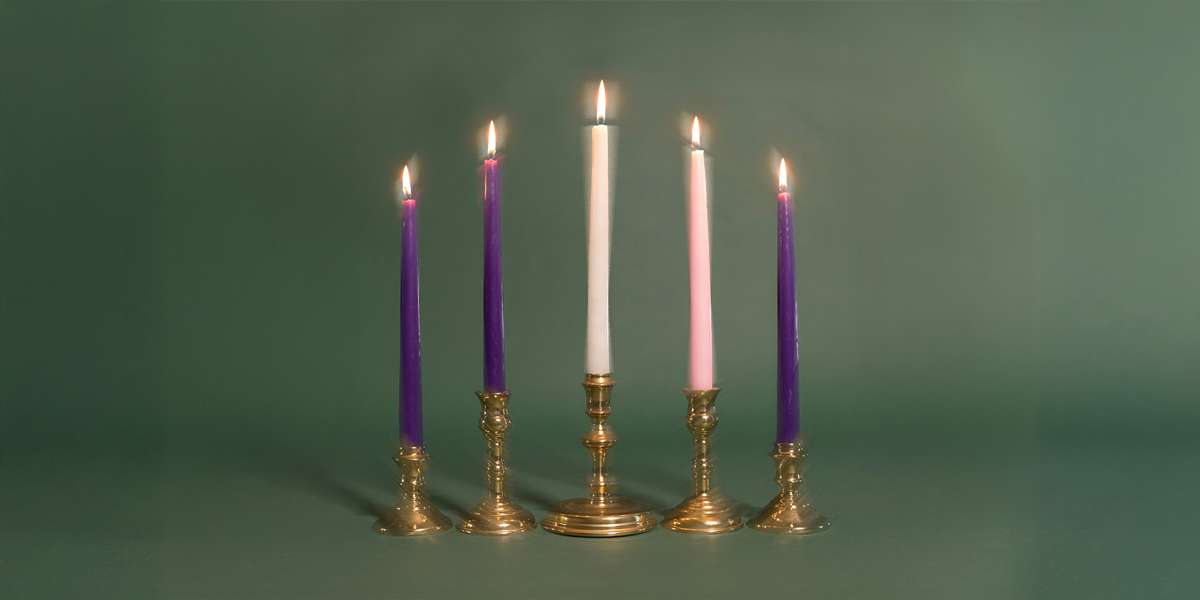
One of the most visible and beloved symbols of Advent is the lighting of the candles on the Advent wreath. Each candle marks the passing of the weeks, but more than that, each one reminds us of the unfolding story of God’s redeeming love.
Hope
The first candle, hope, reminds us of the prophets who spoke God’s promises into dark and uncertain times. Their words pointed to the Messiah who would come, and, in their waiting, we learn what it means to live as people who trust God even when we cannot yet see the fulfillment of His Word.
Peace
The second candle, peace, draws us to the message of the angels, proclaiming peace on earth and goodwill toward all. It reminds us that the peace Christ brings is not the absence of conflict, but the presence of His kingdom, one that reconciles, heals, and restores.
Joy
The third candle, joy, often a more pink color, stands for the joy that breaks through the waiting. It is a joy born not of circumstances, but of the nearness of God. Even in the wilderness, we rejoice because Emmanuel, God with us, draws near.
Love
The fourth candle, love, points us to the heart of it all: that God so loved the world that He sent His Son. Love is the culmination of Advent’s preparation; it is both the gift we receive and the mission we are sent to share.
_
“… as we move through these weeks of Advent, may our worship overflow into witness.”
_
Bearing His Light
Finally, on Christmas Eve or Christmas Day, we light the center candle, the Christ Candle. It shines brightly as the fulfillment of every promise, the arrival of every hope, and the assurance that light has come into the world and the darkness has not overcome it.
As something of a challenge to you the reader, whether it’s in your church or in your home, don’t neglect the Advent candles. No matter the style of church, this common tradition of waiting together is a longstanding testament of how fellow believers through the ages have likewise awaited the coming of the newborn King; why should it stop with us?
Advent is not a season of idle waiting; it is an active preparation. As we light candles and read the ancient prophecies, we remember that the Light of the World has come, and that He calls us to bear His light into the world still shrouded in darkness. The hope we celebrate is not only for us, but for our neighbors, our communities, and the weary hearts we encounter each day.
The coming of Christ compels us to live as people of His kingdom here and now, to proclaim good news to the poor, to comfort those who mourn, and to be peacemakers in a divided world. The same Spirit that overshadowed Mary now stirs within the church, calling us to embody the love and mercy of Emmanuel, “God with us.”
Every act of kindness, every prayer of intercession, every step toward reconciliation becomes a way of saying, “The light still shines.”
So as we move through these weeks of Advent, may our worship overflow into witness. May every prayer, every song, and every candle lit remind us that the story of Christ’s coming is still being told through us. And may our hearts and our lives together declare the message of this holy season:
“The light shines in the darkness, and the darkness has not overcome it.” (John 1:5)
+

Joel Webb serves as pastor of Croswell Free Methodist Church in Croswell, Michigan. In addition to parish ministry, he also serves at a local pregnancy resource center. Joel is an ordained elder in the Shoreline Conference. He has a deep love for theology, church history, and the thoughtful use of technology for the mission of the church. Joel’s ministry centers on helping people encounter the transforming power of the gospel through discipleship, sacramental worship, and life together in the family of God. Joel is married to his wife, Marissa, and together they are raising their son, Frederick. More of his writing and work can be found at joelvwebb.com.
Great Writing + Discipleship Materials