By Mike Chong Perkinson
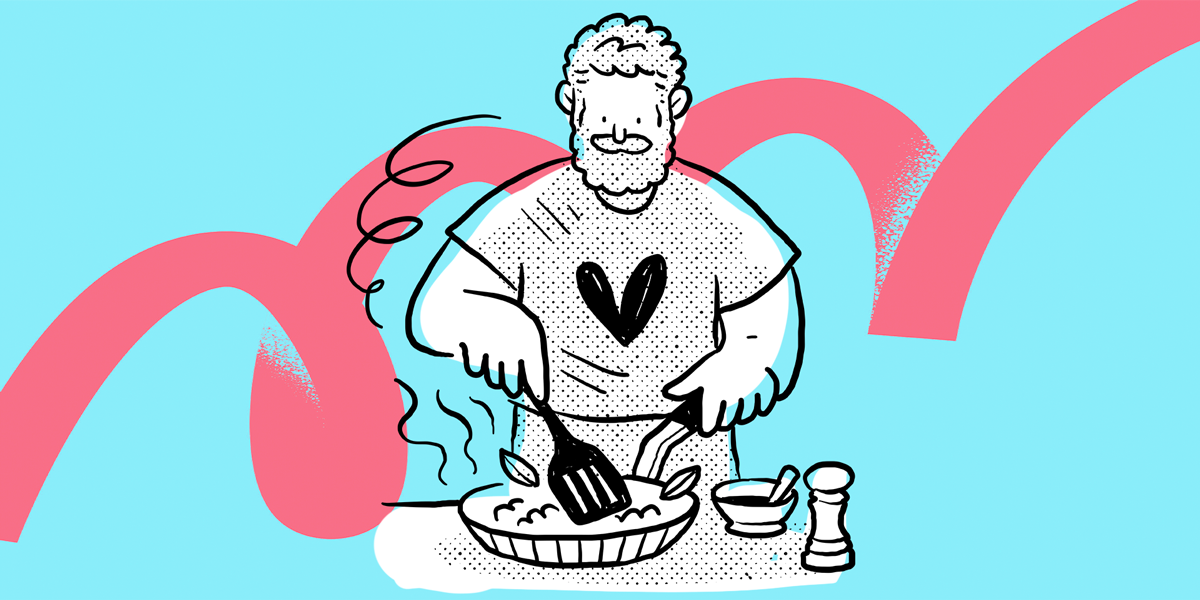
In the new Billy Joel documentary, the piano-playing singer-songwriter tells the story of asking a master chef, “How did you become so good?”
Like most of us, Joel was waiting for a response that would unveil a technique, some aspect of cooking precision that came from years in the kitchen. Instead, the chef said something rather surprising:
“It’s all in the recovery. How you correct your mistakes.”
Oh my. Such wisdom lies in those words. The wise sage of Proverbs says it this way: “for though the righteous fall seven times, they rise again” (24:16).
The reality is: No matter how gifted or brilliant one is, every great pursuit we admire is riddled with mistakes. I write this during the World Series where a hitter that bats over .300 is considered to be an exceptional hitter. That means 7 out of 10 times the hitter does not succeed.
More simply, a chef burns a sauce. A musician misses a note. A visionary leader launches a new ministry, and it falls flat. Parents lose their patience and yell at their child. A believer stumbles into sin. Faithful followers lose their way.
_
“The key is resilience. It’s humility that owns the moment after the moment goes wrong.”
_
Condemnation Versus Conviction
Hell wants you to believe that you are done when such incidents happen — to see those moments as proof that we are nothing more than failures, rejects that will never amount to anything. Remember condemnation is general. Like a sun-blocked overcast sky, condemnation simply says, “You are a failure!” In contrast, conviction from the Holy Spirit is specific, pointing to the sin with life and hope that draw you to repent and change; to rise up in His grace and try again.
Here’s the million-dollar question: What if the real proof of success isn’t in trying to avoid mistakes, but in recovering from them? You know, owning it, learning from it, and rising up again. After all true failure, biblically speaking, isn’t when we fail; it’s when we quit. And so, don’t quit!
Recovery and Resilience
Recovery — learning from mistakes — is, in the truest sense, its own kind of artistry. You know, the musician who turns a wrong note into a new riff. A chef who rescues a dish by improvising a fix and maybe creating a new entrée. The pastor and leader who stumbles but finds a second wind empowered in the hope and love of God and finds the abundance of His grace that results in life and growth in others.
The key is resilience. It’s humility that owns the moment after the moment goes wrong.
Truth: Recovery is not passive. It is intentional where one learns and grows in repentance, correction, adjustment and learning to recommit daily — you know, daily surrender.
Recovery is not retreat nor defeat!
It is an active choice to keep going, learning and creating even when the plan has fallen apart. Simply stated, anyone can look good when everything goes right. The true test is how you respond when life isn’t cooperating.
This is not to undermine nor diminish what many of us thought the chef would say, which is: Practice and precision lead to perfection in one’s craft. Disciplines are necessary and vital, but disciplines without the deeper truth of recovery will never lead to sustained growth.
We all fail. No, I am not making excuses for our failures. God, help us to fail less. What I am saying is that recovery isn’t something to feel guilty about. Actually, it is the very skill that makes you better at what you are doing.
So the next time you stumble and fall, remember: Your success isn’t measured in whether you fall or not. It is actually measured in how you recover.
“My grace is sufficient for you, for my power is made perfect in weakness.” (2 Corinthians 12:9)
“For I do not understand my own actions. For I do not do what I want, but I do the very thing I hate. … Wretched man that I am! Who will deliver me from this body of death? Thanks be to God through Jesus Christ our Lord! … There is therefore now no condemnation for those who are in Christ Jesus.” (Romans 7:15 and 24–25, 8:1 ESV)
+
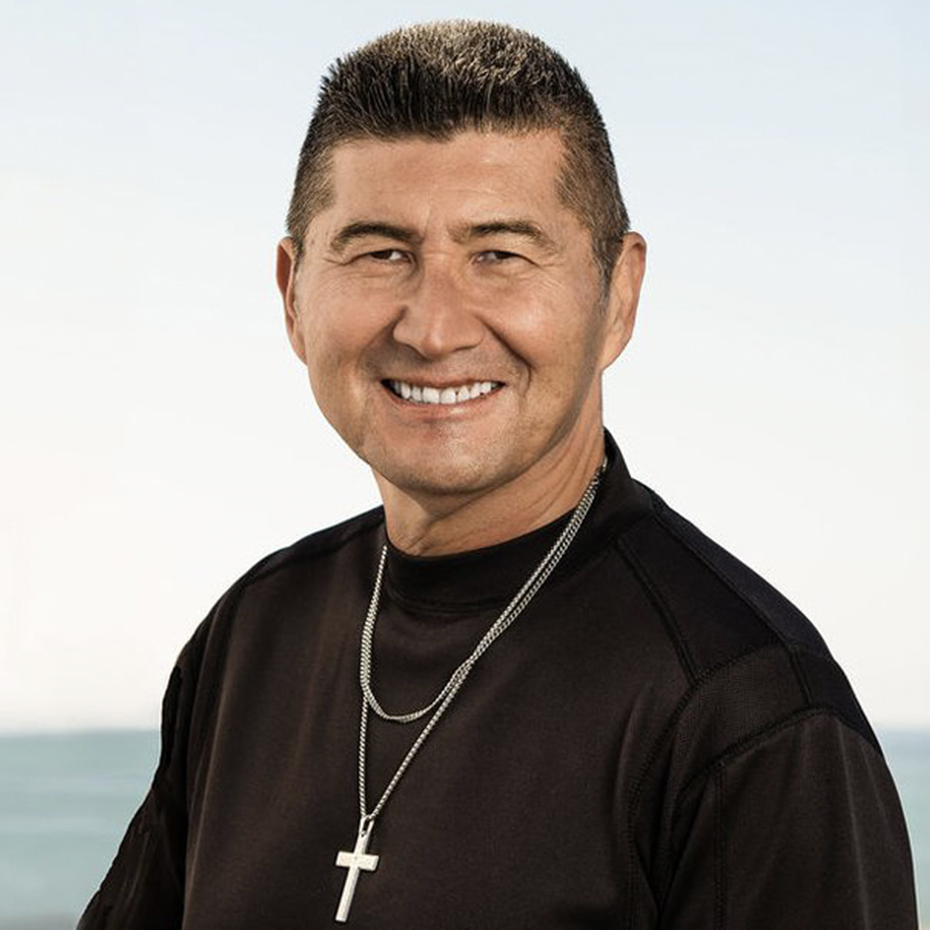
Mike Chong Perkinson is the superintendent of the Pacific Coast Japanese Conference, the co-founder and senior content developer of the Praxis Center, the co-president and dean of church and ministry at the Trivium Institute for Leader Development, and the author of “Radically Living, Quietly Dying: Breaking the Cycle of Shame.” He was born in Busan, South Korea, and was raised with an alcoholic father and a mother who was a devout Buddhist. After spending the first seven years of his life in South Korea, his family moved to the United States. He radically converted to Christ at age 13 and was called to the ministry shortly thereafter. He graduated from Bushnell University with a Bachelor of Arts degree in pastoral ministries and from Fuller Theological Seminary with a Master of Arts degree in historical theology.
Great Writing + Discipleship Materials