
By Mike Chong Perkinson
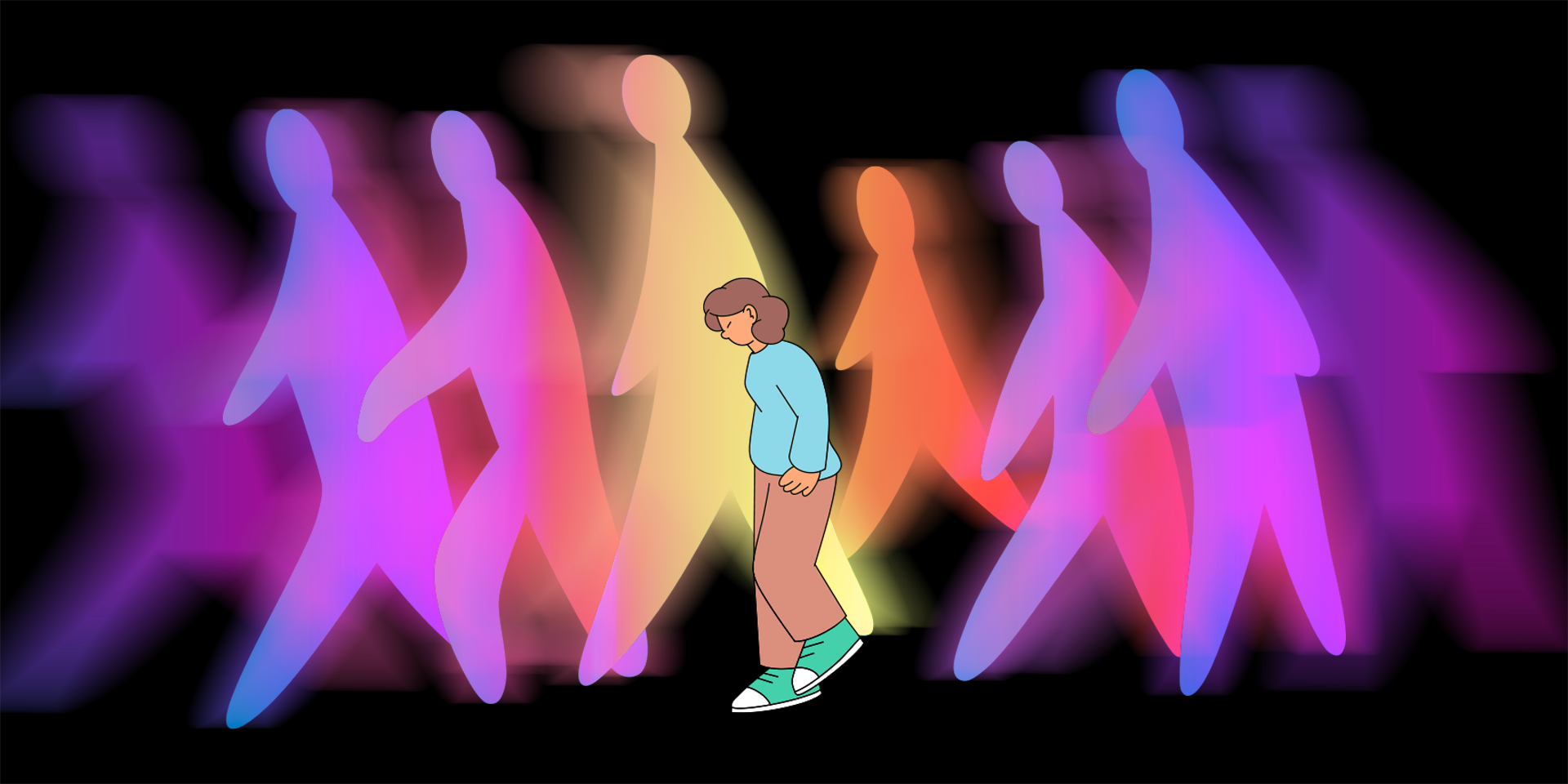
Edwin Friedman in his book, “A Failure of Nerve,” stipulates that America is undergoing emotional regression that is rooted in a pervasive, chronic anxiety where “abuse” now means almost anything that hurts my feelings or restricts me from having what I want. Friedman viewed society at large as an emotional system and argued that systemic anxiety leads to a culture of dependency, blame, and victimhood.
Anxiety is further compounded when we look outside of ourselves for solutions while failing to take ownership or responsibility of what we might be doing or not doing. When this transpires, it tends to create a culture of victims and litigators. The problems we face are then outside of us and not within us.
_
“… if not careful, you will become the very thing you are fighting against.”
_v
Becoming What You Behold
The key question is not just “what is happening TO me?” We must also ask, “What is happening IN me?”
This is not to ignore what was done to you, but to ask a further question that may help us in stopping the cycle of discord and relational demise. Friedrich Nietzsche warned us that “if you gaze long enough into an abyss, the abyss will gaze back into you.”
You become what you behold (2 Corinthians 3:18). Jesus said it this way, “Those who use the sword will die by the sword” (Matthew 26:52 NLT). More simply, if not careful, you will become the very thing you are fighting against.
_
“Those who take responsibility are not afraid to ask the question of what is happening IN me.”
_v
What’s Happening in Me?
The process where we resist taking responsibility — either blaming others (other-centered contempt) or blaming ourselves (self-contempt) — involves a confusion over the word “abuse.” This confusion shifts the responsibility for one’s emotional response from the self to the person who delivered the “objectionable, nasty, or even offensive remark,” creating a narrative where the offended party is helplessly violated by another’s opinion, rather than taking responsibility for one’s own feelings (what’s happening IN me?).
Those who take responsibility are not afraid to ask the question of what is happening IN me. This is beautifully articulated in the prayer of David: “Search me, O God, and know my heart; test me and know my anxious thoughts. Point out anything in me that offends you, and lead me along the path of everlasting life” (Psalm 139:23–24 NLT).
Peace and Reconciliation
The heart and goal of the reconciled life is not crushing the other but giving away the comfort that one has received in Christ (2 Corinthians 1:3–4). Jesus beautifully and profoundly tells us that we are most like God when we are making peace (Matthew 5:9).
Let’s join the Father today in the family business of reconciliation (2 Corinthians 5:18–19) — a business that is motivated and marinated in a love that gave itself; a family business where Beauty does not love the Beast because he is beautiful but, in loving the Beast, makes him beautiful. Our Father’s love is a love that seeks to give beauty and worth to the object being loved.
+
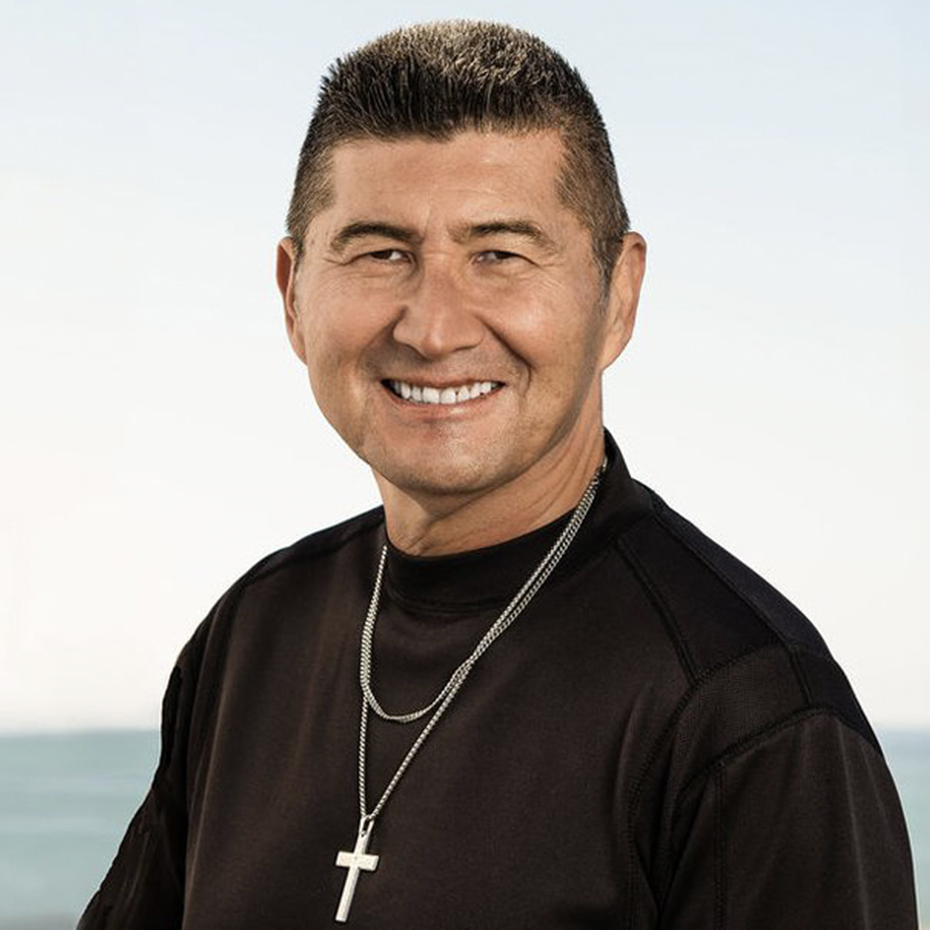
Mike Chong Perkinson is the superintendent of the Pacific Coast Japanese Conference, the co-founder and senior content developer of the Praxis Center, the co-president and dean of church and ministry at the Trivium Institute for Leader Development, and the author of “Radically Living, Quietly Dying: Breaking the Cycle of Shame.” He was born in Busan, South Korea, and was raised with an alcoholic father and a mother who was a devout Buddhist. After spending the first seven years of his life in South Korea, his family moved to the United States. He radically converted to Christ at age 13 and was called to the ministry shortly thereafter. He graduated from Bushnell University with a Bachelor of Arts degree in pastoral ministries and from Fuller Theological Seminary with a Master of Arts degree in historical theology.
Great Writing + Discipleship Materials
RELATED ARTICLES