
By Jeff Finley
Army chaplains have a mandatory retirement age of 62. With his 62nd birthday approaching this spring, longtime military Chaplain and Free Methodist Elder John Hubbs has been pondering his next assignment.
“I knew I’d be retiring from the Army, and I really wasn’t quite sure what I wanted to do,” Hubbs said in an interview with Light + Life.
He had previously assumed he would return to pastoral ministry at a Free Methodist congregation after retiring from the Army, but his current circumstances would make that a challenge.
“I live about four hours from the nearest Free Methodist Church,” said Hubbs who added that the FMC congregations closest to his home in Georgia are not currently in need of a pastor. “My wife loves it here, and she’s engaged as the director of music at a Global Methodist Church, so I’ve been thinking about all of this stuff: Where do I go? What do I do?”
Hubbs said the calling of his wife, Melody, “counts at least as much as mine,” and her ministry is “currently making a huge impact.” While trying to discern his next role, he received a call from Tim Porter, the Free Methodist endorsing agent who directs the denominational chaplain ministries along with his wife, Patricia Porter. Hubbs recalled Tim saying, “Pat and I want to step down from this job, and we think you should take our place.’”
Hubbs marveled at the timing of the call just as he was seeking God’s will in the weeks leading up to his January retirement from the Army.
The Porters will retire March 31 after leading the chaplain ministries since 2020 when Tim retired from active duty in the Air Force. The Chaplains Association of the Free Methodist Church revealed in its February newsletter that Hubbs “will assume Director of Chaplain Ministries/Endorser Responsibilities in April 2026.”
Hubbs told Light + Life he is “a little bit intimidated” stepping into the role. In a message he wrote for the Chaplains Association newsletter, he acknowledged, “I would be much more comfortable and confident if I had been called to return to pastoring a church. Preparing and delivering sermons, leading worship, visiting sick members, etc. — that is all right in my wheelhouse.”
He continued, “I assume the new responsibility with the knowledge that I am far from the first person who has been called to fulfill a mission for which he lacked complete confidence. In the scriptures, Moses objected because he was not articulate enough to be a spokesperson, Gideon hesitated because he was of the lowest social status, and Jeremiah cited his young age. Church history provides plenty of other examples, and even the twentieth century saint Mother Teresa testified of profound doubts that she experienced regarding her call. The words of St. Paul from 1 Corinthians 1 come to mind: ‘Consider your own call, brothers and sisters: not many of you were wise by human standards … but God chose what is foolish in the world to shame the wise.’”
He noted “that success in fulfilling one’s calling does not depend upon an impressive resume or even natural giftedness. Confidence in one’s own abilities can sometimes even detract from what is infinitely more important — dependence upon God.”
_
“Chaplains don’t always know the impact of their ministry, but sometimes they learn how God uses them to reach and help others.”
_v
Ministry Path
Hubbs’ path to ministry began during his teen years in central Illinois.
“I first experienced a call to ministry when I was participating in a Youth for Christ music group called Reach Out,” he told Light + Life. “We would travel to churches on Sunday nights singing. Everybody else in the group tended to hate when it was their time to introduce songs, but I discovered that was a role I loved. Just in the two years that I was in it, as time went by, I began to realize: Hey, this seems to be where I belong — in church talking to people.”
Hubbs earned a bachelor’s degree from Greenville University in philosophy/religion and then a Master of Divinity degree from Asbury Theological Seminary. He served in the Gateway Conference for eight years as the pastor of congregations in southern and central Illinois. For five of those years, he also served as a hospice chaplain and frequently presided over funerals.
Hospice chaplaincy taught him the importance of compartmentalization. He explained that while visiting hospice patients, “I was completely there with them, but when I left their house and got in my car, I’d turn on sports talk radio, and I was in a different place. You have to have that in order to survive in that kind of a ministry, because if you internalize all of the pain that people have, you’re not going to last.”
Hubbs recalled that while serving a congregation with most attendees above age 65, “I began to sense that I wanted to minister to people at a more formative stage of their life.”
A friend — who served in the Air Force before becoming a college instructor — told Hubbs, “You’d be great as an Air Force chaplain.”
While considering how to increase his impact in ministry, he applied for the Air Force, which accepted him. He served as an Air Force chaplain for eight and a half years. Then, around 2006 and 2007 while the Iraq War continued, “there was a time frame when the Air Force needed fewer chaplains” while “the Army needed more,” said Hubbs, who transitioned to the Army.
His service in the Air Force and Army took him around the world — sometimes to challenging locations away from family.
“I’ve been to Iraq two different times for a year at a time. I’ve been to Korea a couple of times for almost a year at a time each time,” he said. “When everybody’s separated from their loved ones at home, you build some pretty strong bonds and friendships. To be there, sharing with other people who are going through the same things, those are really meaningful times.”
Making a Difference
Chaplains don’t always know the impact of their ministry, but sometimes they learn how God uses them to reach and help others.
“One of the most rewarding things about being a chaplain is when, years later, people contact you, and they let you know that that you made a difference in their life at an important time,” said Hubbs, who particularly impacted one man now entering middle age. “When I was his chaplain, he was a high schooler, and he messaged me recently and let me know that the time he was in Kansas — where I was a chaplain at McConnell Air Force Base — was very instrumental in him sensing his own call to ministry, and now he’s serving as a Lutheran minister.”
Now Hubbs is preparing to make a difference in a new assignment, which the military calls a “permanent change of station.” Hubbs noted that “in reality,” each new assignment “is never permanent,” and “apparently God is telling me I have plenty left to learn in the area of depending upon Him.”
+
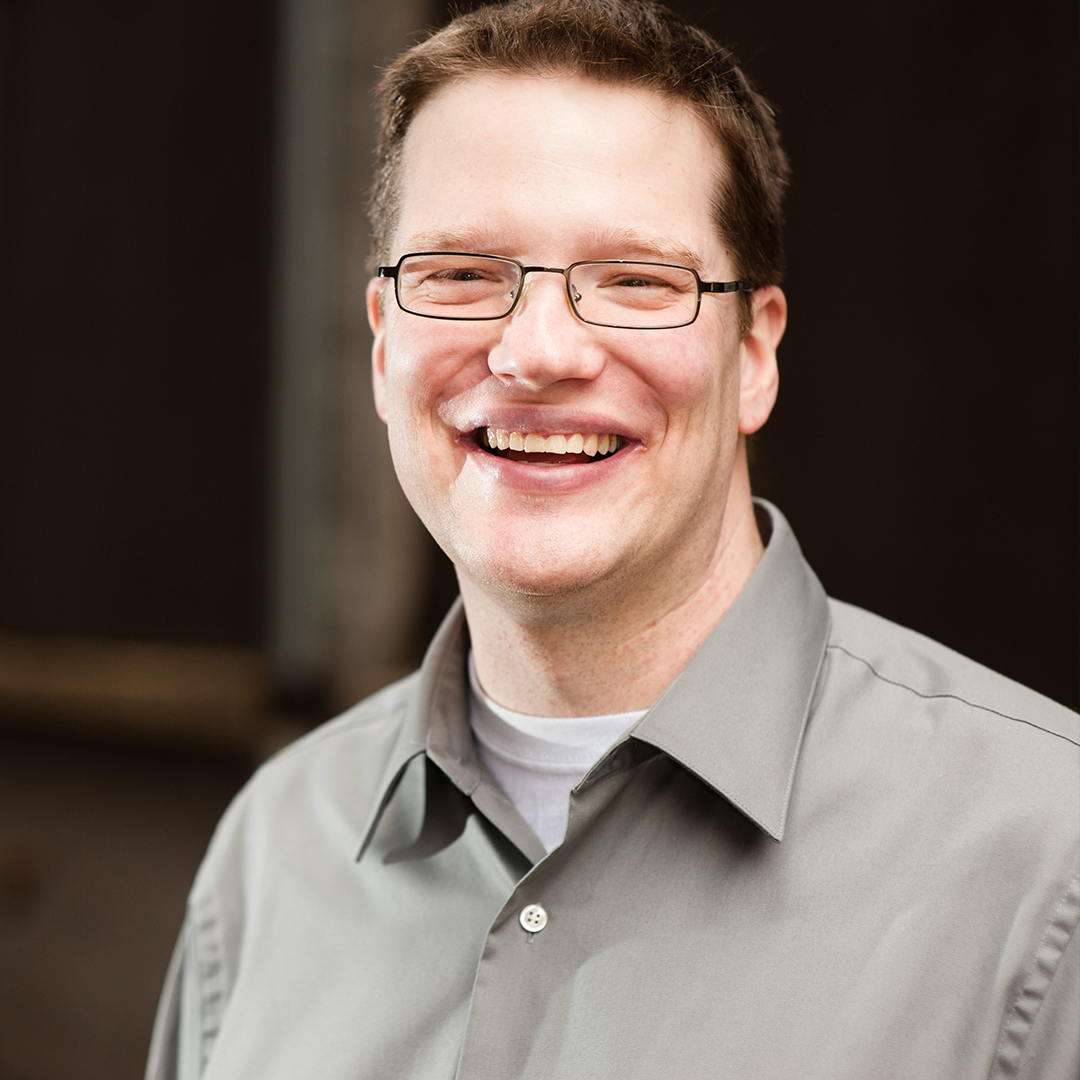
Jeff Finley is this magazine’s executive editor. He joined the Light + Life team in 2011 after a dozen years of reporting and editing for Sun-Times Media. He is a member of John Wesley Free Methodist Church in Indianapolis. He and his wife, Wabash/New South Conference Superintendent Jen Finley, are the parents of a teen son. Jeff has a bachelor’s degree in English from Greenville University and a master’s degree in public affairs reporting from the University of Illinois with additional graduate studies in journalism at Southern Illinois University. He serves on the boards of the Greenville University Alumni Association, Friends of Immanuel and Gene R. Alston Memorial Foundation.
Great Writing + Discipleship Materials
RELATED ARTICLES