By Victoria Clark
Mother’s Day. It’s a day you see an influx of families filling the pews. Laughter echoes off halls. Kisses and family photos are generously taken and given. Mothers are celebrated and given their due honor of not only bringing life into this world but giving so much of themselves to let those around them flourish.
“Lord, we thank you for the mothers in this room. While today is a day of celebration, we also lift up those who long to be mothers and still wait for that gift. We remember those who have lost their own mothers, wives, or children and wish they were here to honor…”
Untold Stories
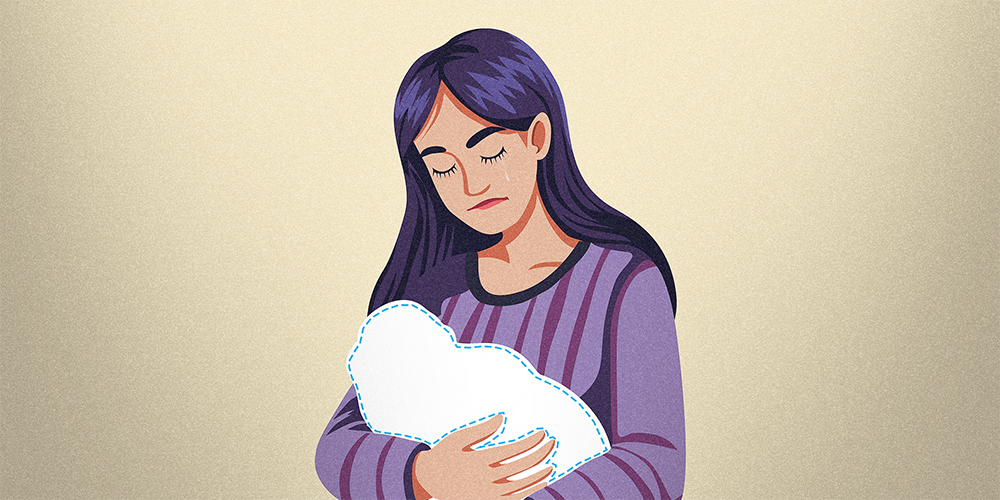
The prayer wrapped up and the service went on … but in the quiet of my own heart, I kept waiting for words that never came. I waited for the recognition of women who sat in silence, carrying a grief that goes unseen for women who don’t feel like they have a right to mourn their motherhood. Women who often don’t even see themselves as a mother — who bury their feelings beneath layers of shame. These women’s stories include abortion.
I sat with even more emotion behind my eyes and a deep hollow ache in my chest for the women whose stories got glossed over, not with intent but due to a deep disconnect within the church.
We’ve begun to acknowledge and include women with an array of pregnancy loss and grief stories. But we’ve still managed to leave out the ones who grieve life lost to abortion.
_
“I waited for the recognition of women who sat in silence, carrying a grief that goes unseen for women who don’t feel like they have a right to mourn their motherhood.”
_
One in four women have had at least one abortion by the age of 45. There are women sitting in your pews whose abortion grief remains invisible.
So, the question becomes: How can we give voice to her grief and lost motherhood in a sensitive and loving way?
How can we be the hands and feet of Jesus and see her? How can we remind her she is not beyond grace and walk with her toward healing?
_
“There are women sitting in your pews whose abortion grief remains invisible.”
_
A Grief Misunderstood
Remaining silent about abortion in our churches should no longer be an option. When we avoid the reality of abortion stories within our church body, we unintentionally send a devastating message: Abortion is the one unspoken, unforgivable sin.
We make it seem like abortion is something so shameful that it must be buried and never brought into the light — even if she has repented.
It boils down to a misunderstanding of grief. It’s complex. We often think of it only in terms of loss outside of our control. But grief can also come from the choices we’ve made, decisions we thought were right in the moment, or even knew were wrong but chose anyway.
Women (and men) are allowed to grieve abortion decisions, yet a woman often feels she has no right to grieve. When we fail to acknowledge that grief, we reinforce the lie that her story disqualifies her — that her pain makes her unworthy and she must carry her grief and shame alone.
Silence doesn’t protect her like we might think it does. It isolates her. It keeps her hidden when what she needs most is to be seen amid the pain.
We’ve all made choices we regret and that perhaps still haunt us. Just like we want to know our choices don’t define us, that we are still worthy of love, she longs for a place to be fully known and loved.
She carries this choice with her for the rest of her life. What if the church showed her that Jesus steps into her pain and carries it alongside her? What if we, God’s image bearers, stepped into the uncomfortable and carried that pain with her?
Her story matters to God. And if it matters to God, it should matter to us. She’s not outside the reach of His grace and forgiveness.
_
“What if the church showed her that Jesus steps into her pain and carries it alongside her?”
_
We need to see her. She’s standing right there in your pews. Don’t look past her. Don’t forget her. See her this Mother’s Day.
If we don’t, who will?
+

Great Writing + Discipleship Materials