
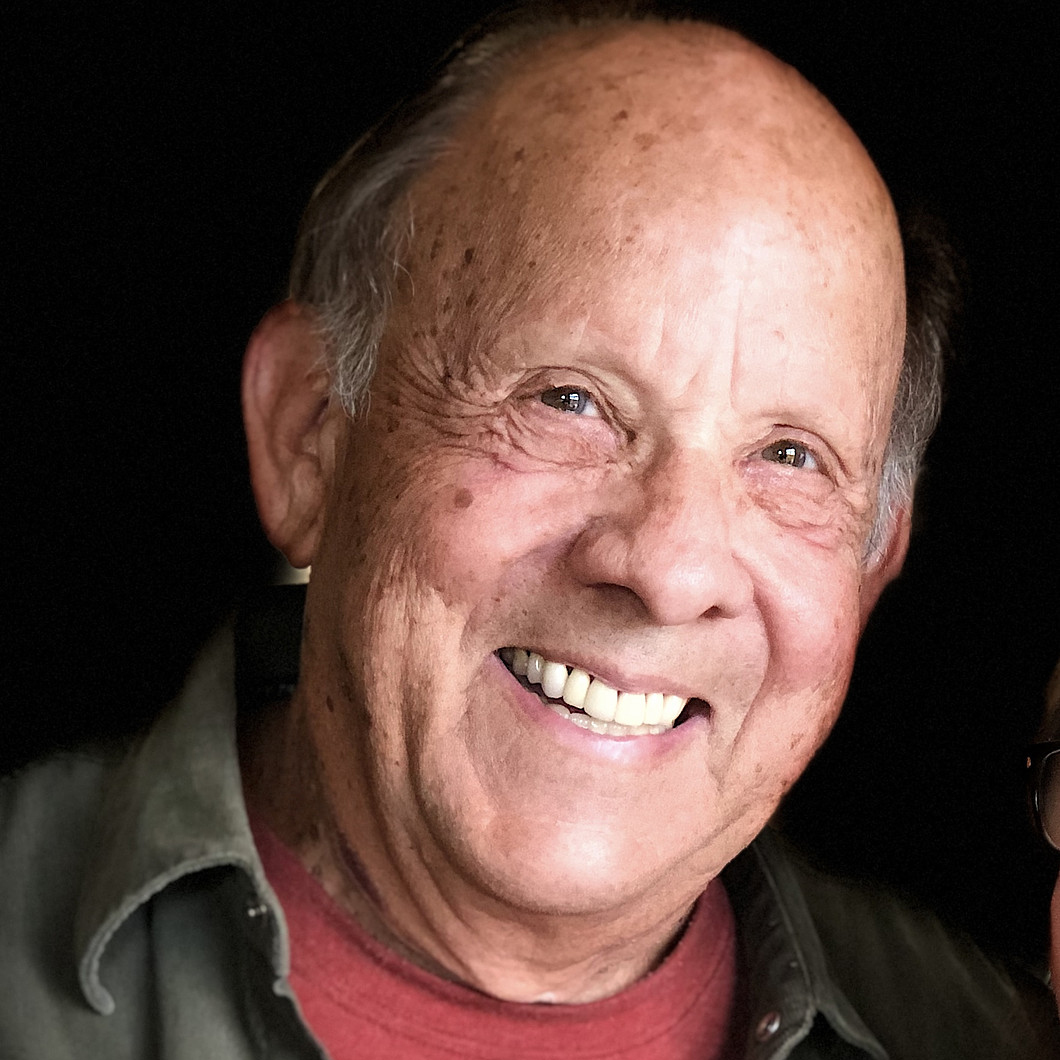
By Ron Kuest
If formation really works the way we say it does…
Think back to your high school years. What do you remember most?
Was it the homework and lectures?
Or was it the friendships, the conversations, the moments when someone noticed you or believed in you?
Now think about your favorite teachers. Do you remember them mainly for what they taught — or because they made learning feel alive and personal?
Most of us don’t remember significant change moments as an information event. We remember them as relational experiences.
Let’s pivot to spiritual experiences. For decades, the word discipleship has carried great importance in the church. It is traditional. It feels familiar and safe. It shows up in vision statements, ministry plans, and leadership conversations. Yet, quietly and without meaning to, the way we now use the word often works against the very thing we want most: real spiritual growth.
This is not because the idea of discipleship is wrong. It is because discipleship — as many people experience it today — has slowly shifted from a lived, relational journey into something that feels more like school.
If spiritual formation doesn’t grow through relationship, experience, and ownership, then something is misaligned.
What is happening right now?
For many adults, discipleship feels like returning to the classroom — just with Christian language.
Lessons are assigned. Books are completed. Discussion questions are answered. Progress is measured. Success often means finishing the material.
Churches don’t do this for wrong reasons. The motives are good: clarity, consistency, strong theology, and the ability to reach many people at once. But adults don’t grow best through instruction alone. Nor do we learn best in crowds.
Adults change when truth connects with real life — through doubt, struggle, memory, pain, and experience.
When discipleship becomes mostly instructional, it unintentionally skips over how adults actually grow.
Information matters, but it is not enough.
When belief becomes centered on books, manuals, and worksheets, people learn to consume belief instead of owning it as faith. Knowledge grows, but transformation slows. Beliefs stay in the head and never fully reach the heart or shape daily life.
_
“Adults change when truth connects with real life — through doubt, struggle, memory, pain, and experience.”
_
Teaching is still essential. Scripture, theology, and doctrine give us stability. Without them, personal faith becomes shallow and fragile.
Think of discipleship like building a house.
You need a solid foundation. You need strong walls. You need a sturdy frame that can handle storms and pressure.
Teaching provides that frame. It gives structure, strength, and protection.
But here is the key truth: People don’t live in frames.
A frame is necessary, but no one lives in it. When discipleship stops at teaching, it prepares people for life but doesn’t fully help them live it. Something more is needed.
So what? (Why this matters more than we think…)
If we want discipleship to actually form people, we also need to change how we measure it. That means being careful with our words, because words shape expectations.
Churches often point to moments as signs and measurements of discipleship:
- a class completed
- a decision made
- a baptism celebrated
- an event attended
- a group study finished
- a book read
These moments matter. They are meaningful and worth celebrating.
But they must be named correctly.
_
“If we want discipleship to actually form people, we also need to change how we measure it.”
_
Moments are uncompleted measures of discipleship.
That word — uncompleted — is important. It does not mean incomplete. Incomplete sounds like failure or something lacking. Uncompleted means something real has begun, but more is still needed.
An uncompleted building isn’t broken — it’s unfinished. It shows progress and direction, but the work isn’t done.
The same is true with spiritual growth.
A moment tells us something happened.
It also tells us something more needs to happen.
Moment or Movement?
A moment is a specific point in time.
A movement is an ongoing process.
Spiritual movements seen in formation and living on mission do not happen in a single moment. They grow over time. They take shape in ordinary life, under pressure, and always in relationship.
That’s why the most meaningful signs of discipleship are not just numbers, but direction.
Numbers count moments.
Direction shows movement.
Rewarding Questions
Another thing I remember about school: Answers mattered most. There were tests, grades, and graduation.
I don’t recall being rewarded for my questions.
If we want moments and movement, we need to start rewarding questions more than answers.
Spiritual questions sound like this:
- Am I becoming more honest about my faith?
- Am I more open to the Spirit’s leading?
- Am I learning to love others at real cost?
- Am I moving from consuming to contributing?
- Am I taking responsibility for my walk with God?
Those answers don’t show up at the end of a class. They show up over time, in conversations, and in trusted relationships.
This is where many discipleship efforts quietly struggle.
Now what? (What must change…)
Adult learning confirms what experience already tells us: Adults change when learning becomes personal, meaningful, and relational.
Adults ask different questions:
- Does this fit my real life?
- What do I do with my doubts?
- How does my past connect to my faith?
- What will obedience actually cost me?
Those questions can’t be answered by sermon messages and teaching alone. They require safe conversations, patience, time, and trust.
That leads to a helpful and necessary distinction.
Discipleship is what the church does.
Discipling is what one believer does with another.
Discipleship provides the foundation. It teaches Scripture, shapes shared beliefs, and creates healthy environments for growth.
Discipling is personal. It is slow. It is relational. It is sometimes messy. It is where people talk honestly, ask hard questions, and connect faith to everyday life. It is where belief becomes conviction — and conviction becomes action.
That kind of formation does not happen anywhere else in any meaningful way.
Discipling is the only place where someone can safely say:
- “I’m not sure what I believe.”
- “I’m afraid of what God might ask of me.”
- “I don’t know how my past fits with my faith.”
- “I’m struggling to obey.”
And not feel rushed, corrected, or managed.
Then what? (What becomes possible if we do this…)
Discipleship still matters deeply. The answer is not to remove it, but to free it — to free it from trying to do what only relationships can do.
When discipleship returns to its role as foundation and framing, and discipling is lifted up as the place of formation, growth begins to happen naturally.
People move from:
- have to
- to want to
- to I choose to.
The church becomes less program-driven and more people-centered. Leaders stop asking, How do we get people through the material? and begin asking, How do we help people grow into maturity?
So is it time for a separation?
Yes.
Not between people — but between roles.
Not between truth and experience — but between structure and formation.
Not between discipleship and discipling — but between foundation and movement.
When each is allowed to do what it does best, the result is not less discipleship — but deeper transformation.
And that, after all, is the hope we share.
Back to our high school days, we have moments:
- A first romance
- An athletic achievement
- A fight
- A friendship
- A dance
- An academic accomplishment
Those are memories of moments. That’s what we go back to our reunions for.
But the movements are what changed the way we are now living our lives: other people, commitments, affirmations, warnings, relationships, trust, and honest conversations.
So it is with our spiritual life. Content and moments — discipleship — lay the foundation. Context — discipling — provides the movement.
+
Great Writing + Discipleship Materials