
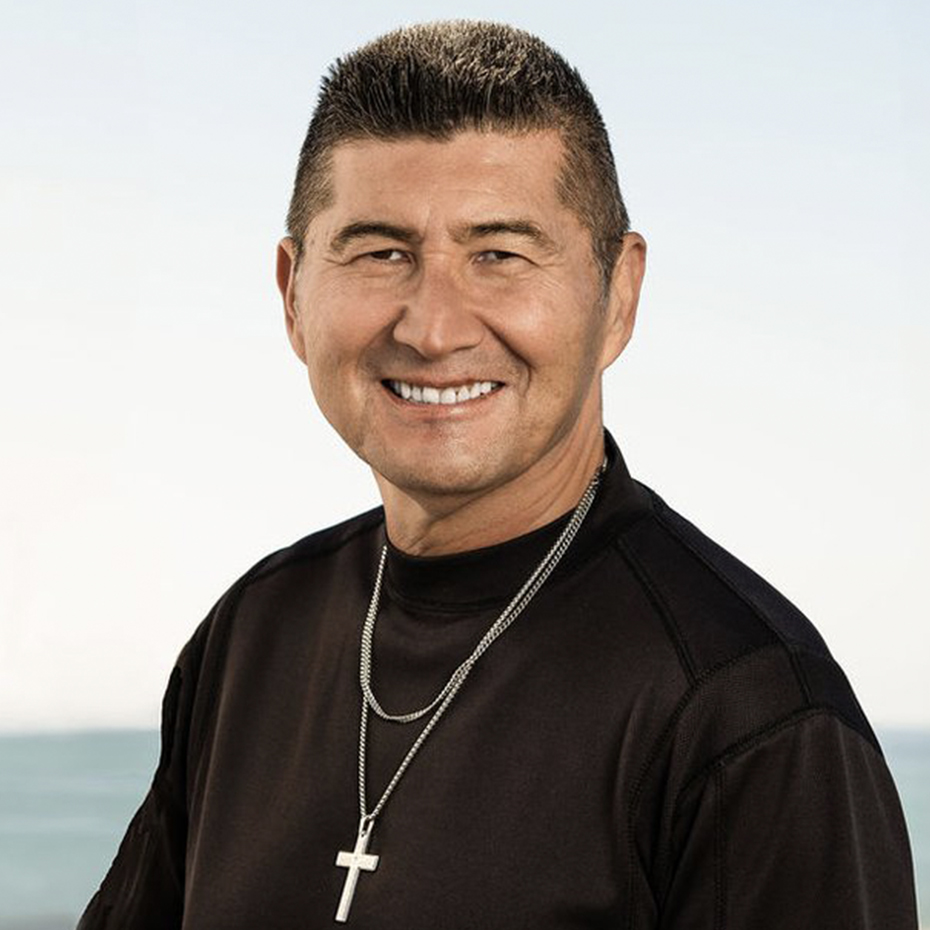
By Mike Chong Perkinson
There are three great struggles in life that trouble us, according to the Christian mystics of long ago.
- Simply trying to get our lives together.
This spans from our childhood into our twenties. The question we ask most during this time is: Who am I?
- The second struggle is about meaning and what I will give my life to.
This period starts in your twenties and lasts the next few decades and is informed by the question: How do I serve others?
- The third area of struggle is a bit odd. This struggle is about how we might give our death away — an issue of legacy.
We will all deal with this, as I am facing now. The years around the sun that remain are far less than the years before. And so, these last years of our lives are incredibly pensive as we lean into what we will leave behind as we wonder if our lives made any difference. The question that dominates this season is: How might my death serve as a gift in my community, my sphere of influence? What legacy am I leaving behind?
These struggles and so much more shape our lives and deeply impact how we lead. This is rather simple to understand, because the hardest person I have ever had to lead is myself. Leading yourself is no easy feat.
If we take the above struggles into our world of leadership, whatever your role might be, the questions then become:
- Who am I as a leader? Maybe even: Who am I as a follower?
Is my life defined by applause, approval, influence or what I am able to accomplish? Do I define my success by the size of the crowd, my followers on social media or by something more enduring — dare I say, eternal?
_
“Leading yourself is no easy feat.”
_
- Leaders — healthy and holy leaders who lead from love — ask a second question of themselves, which is: How do my life and leadership serve others?
Do I serve to get or gain? Is serving optional, or is it something that is central to my life and leadership? Like Jesus, I am not here to be served, but to serve and give my life (Mark 10:45). Love-led leaders will always ask: Whom and how will I serve? They will allow the Spirit of God to search their hearts to daily purify their motivations on why they serve.
- The third question of a leader echoes the Apostle Paul’s line of “I die daily” (1 Corinthians 15:31 KJV). The question here is a bit more poignant and requires some radically honest reflection: How will I allow my ego to die so that others might thrive, flourish, grow, increase and become the sons and daughters God has created them to be?
Seeing the Scars
“Christian leadership is learning to die in public” – Mark Sayers
I recall a saint in my first church plant coming up to me after my first year of pastoring. I planted my first church at 27 years of age, and he had come to our initial services. He returned a year later and came up to me and spoke some rather profound words as he said with a strange twinkle in his eye and intrigue, “I can tell you are a senior pastor now.”
I replied with great curiosity, “How?”
He said, “I can see your scars.”
I was young and eager with a lot more learning to do (I still have a lot to learn), but I have never forgotten those words. Leadership is about scars, and love is maybe most demonstrated by them. Musician and songwriter Michael Card wrote a song years ago titled, “Known by the Scars.” I cite for you the chorus:
“The marks of death that God chose never to erase
The wounds of love’s eternal mark
When the kingdom comes with its perfected sons
He will be known by the scars.”
These questions I noted for you are not about our skills, talent, strategy, intelligence, preaching or our ability to vision cast. The questions are about the inside of our lives, not the outside. They are about something far more important, the heart.
_
“Leadership is about scars, and love is maybe most demonstrated by them.”
_
A Gentle Rebuke
I close with a word the Holy Spirit gave me in 1984 — a word I have tried to live by, not always succeeding at, but that has become the aim of my life. God said to me, “Mike, who you are in your prayer closet alone with Me is who you are.”
It was a gentle rebuke that there were two Mikes and one needed to go. I still face this battle as I bring myself daily in submission to my most loving Father so that I might better represent His heart to all I encounter.
Work on our interior lives is rarely seen by anyone and seldom applauded. It demands radical courage, honesty and intentionality. It is not an option but essential to who we are and how we lead and live our lives.
_
“Work on our interior lives is rarely seen by anyone and seldom applauded.”
_
“Search me, O God, and know my heart; test me and know my anxious thoughts. Point out anything in me that offends you, and lead me along the path of everlasting life.” (Psalm 139:23–24 NLT)
+
Great Writing + Discipleship Materials