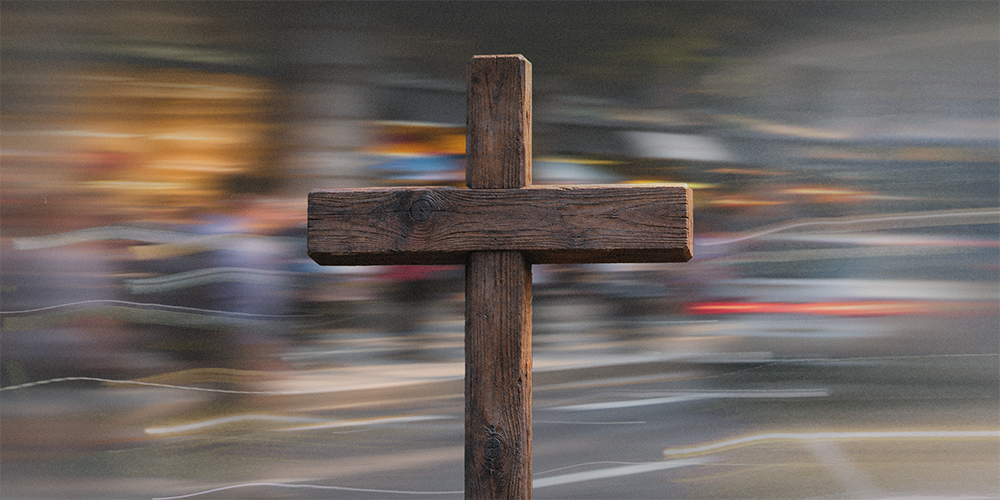
By William Peña
We are living in a world that seems to change by the hour. What was considered normal yesterday can feel outdated today, and what was once unquestioned is now being debated, challenged, or discarded. Technology is changing how we communicate, culture is changing how we think, and society is constantly redefining what it means to live, work, belong, and believe. In the middle of all this change, one question matters for followers of Jesus: How do we remain faithful when everything around us keeps moving?
The Bible never promised us a stable culture. In fact, Scripture assumes quite the opposite. Jesus told His disciples, “In this world you will have trouble” (John 16:33), and Paul warned Timothy that “there will be terrible times in the last days” (2 Timothy 3:1). Yet the Christian response to cultural change is not fear, isolation, or constant outrage; it is faithfulness.
And, family, that distinction matters.
We are called to navigate culture, not become captive to it.
Paul gives us one of the clearest instructions for doing this in Romans 12:2, “Do not conform to the pattern of this world, but be transformed by the renewing of your mind.”
Notice what Paul does not say. He does not tell believers to ignore the world. He does not tell them to escape the world. He tells them not to conform to it.
There is a difference between being aware of culture and being shaped by culture. Jesus prayed for His followers in John 17:15–18, saying, “My prayer is not that you take them out of the world but that you protect them from the evil one,” and then, “As you sent me into the world, I have sent them into the world.”
_
“We are called to navigate culture, not become captive to it.”
We are not called to abandon the world, because Jesus has sent us into it. But we are also not called to absorb everything the world tells us.
Presence without compromise. Engagement without surrender. Conviction without hatred. That is the tension of Christian discipleship.
The danger is that we can become so concerned about preserving Christianity that we forget that Christianity was never sustained by cultural dominance. The church has survived hostile governments, changing philosophies, cultural revolutions, economic instability, persecution, and generations that believed they had finally moved beyond the need for God. The church does not need the culture to stay the same for the gospel to remain true.
Because our confidence is not in the stability of culture. Our confidence is in the sovereignty of God alone.
Hebrews 13:8 declares, “Jesus Christ is the same yesterday and today and forever.”
Culture changes. Jesus does not. Technology changes. Truth does not. Social norms change. The character of God does not. Generations change, but the Word of God remains.
Isaiah 40:8 reminds us, “The grass withers and the flowers fall, but the word of our God endures forever.” That means Christians do not have to panic every time the cultural landscape shifts.
We can listen without losing our foundation. We can learn without abandoning our convictions. We can engage people who see the world differently without treating them as enemies.
And perhaps that is one of the greatest opportunities the church has in a changing world.
Another Way of Living
The goal is not simply to win arguments. The goal is to bear witness of Jesus.
_
“We can engage people who see the world differently without treating them as enemies.”
Jesus said, “By this everyone will know that you are my disciples, if you love one another” (John 13:35). Peter instructed believers to “always be prepared to give an answer to everyone who asks you to give the reason for the hope that you have,” but he immediately added that this should be done “with gentleness and respect” (1 Peter 3:15).
That is a powerful combination: truth and tenderness. Conviction and compassion. Courage and humility.
The world does not need a church that is constantly angry about the world. It needs a church that can demonstrate what another way of living looks like.
Perhaps the question we should ask is not, “How do we make the world go back to the way it was?” Perhaps the better question is, “How does God want His people to faithfully represent Jesus in the world as it is?”
Because we cannot control the direction of culture, but we can control the direction of our discipleship.
We can choose to be people of prayer in an anxious world. People of truth in an age of confusion. People of generosity in a culture of consumption. People of forgiveness in a world fueled by outrage. People of holiness without self-righteousness. People who disagree without dehumanizing. People who refuse to compromise biblical conviction while still treating every person as someone made in the image of God.
That is what it means to navigate faith amid a changing world.
Rooted and Built Up
We don’t need to become less Christian to reach a changing culture. We need to become more deeply rooted in Christ.
Colossians 2:6–7 says, “So then, just as you received Christ Jesus as Lord, continue to live your lives in him, rooted and built up in him… and overflowing with thankfulness.”
Notice the language: rooted and built up. Roots don’t prevent storms from coming. Roots determine whether you survive them.
_
“We don’t need to become less Christian to reach a changing culture. We need to become more deeply rooted in Christ.”
And maybe that is the word the church needs at this moment.
The world can keep changing. Our assignment remains.
We will keep loving our neighbors. We will keep proclaiming the gospel. We will keep pursuing justice, mercy, holiness, reconciliation, and truth. We will keep pointing people to Jesus, not because the culture is stable, but because Jesus is.
The church’s calling has never been to preserve a particular cultural moment.
Our calling is to faithfully embody Christ in every cultural moment.
So let the world change. Let technology change. Let conversations change. Let generations change. Let cultural preferences change.
But let the church remain anchored to the One who does not change.
Because when everything around us is moving, faithfulness means knowing where your feet are planted.
God bless you!
+
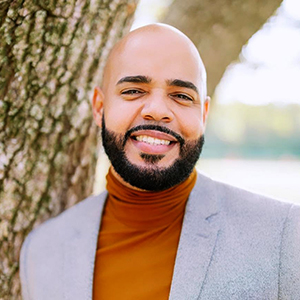
William Peña is an ordained Free Methodist elder originally from Santiago, Dominican Republic. He holds a B.A. degree in physical therapy from PUCMM. After relocating to Miami, Florida, in 2006, he immersed himself in various roles within the church, serving as a worship leader, youth pastor, and eventually becoming a senior pastor. In 2022, he ventured to Houston, Texas, to plant a vibrant growing movement called Essential Life Church alongside his wife, Marianne, and their three boys. Today, William dedicates his time to coaching younger pastors and church planters while also contributing to Conexión Latina of the Free Methodist Church.
Great Writing + Discipleship Materials