By Olivia Paul
Growing up in Haiti, missionaries would take children like me to church. What kept us coming back was not just the singing or the stories. It was what happened after, a shared meal. Sometimes simple. Sometimes just what someone had in their home. But for a child growing up in poverty, that food was more than nourishment. It told me that someone knew what I needed and gave it to me.
The first thing I ever knew about the people of God was that they shared their food.
Before I understood a single doctrine, before I could explain what I believed, I knew this about followers of Jesus. They opened their table. That is what drew me in. That is what planted faith in me before I even had words for it.
Motivated by Injustice
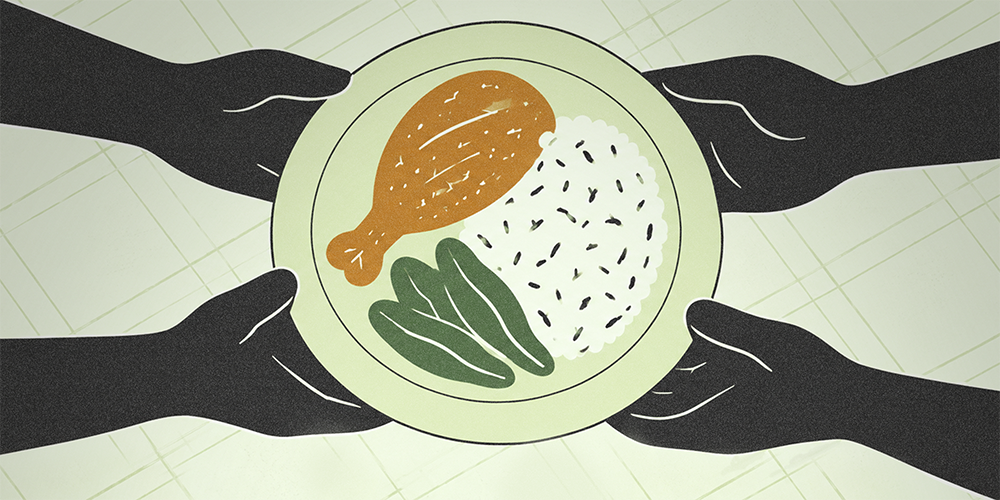
But food also taught me something harder. At home, when we had chicken, which was rare, it usually happened after a hurricane. Not every year brought one, but when it did and some animals did not survive, that was when meat appeared on the table. Everyone knew it. The best pieces, the legs and the breast, still went to the men. The women and girls got the feet, the neck, and the small parts. Nobody questioned it. It was simply how things were.
_
“The first thing I ever knew about the people of God was that they shared their food.”
That quiet injustice planted something in me. I decided I would study hard so one day I could eat one chicken leg all by myself. A simple motivation. But it changed the direction of my life.
So when I see people struggling for food, I think of evangelism and self-motivation. We used to fast and worship hard not as a spiritual discipline but as a way to endure hunger. What we did not always have in our stomachs, we found ways to fill with determination.
Restoring Dignity
Years later, I work with International Child Care Ministries (ICCM), overseeing programming across 54 schools in Haiti. I have seen what happens when a child comes to school hungry. No amount of good teaching reaches them. But when they are fed, something shifts. They smile. They sit up. They focus. They participate.
Food does not just fill stomachs. It restores dignity. It signals to a child that someone planned ahead for them. A child like I once was who knows they will be fed will work harder, stay in school longer, and dream bigger.
I have watched food do what words sometimes cannot. It awakens hope, creates a sense that tomorrow is possible, and opens doors to the gospel.
The missionaries who fed me were not just meeting a physical need. They were preaching. Every shared meal said something about whose life has value and who belongs at the table.
_
“Food does not just fill stomachs. It restores dignity.”
When I read the Gospels now, I notice how often Jesus shared meals. He ate with tax collectors, sinners, the poor, religious leaders, and ordinary families. Again and again, the table became the place where people experienced the kingdom of God before they fully understood it. Long before they grasped His teachings, they experienced His welcome.
Feeding a child is not simply a program or an outreach strategy. It is a witness — a sermon without words, an act of faith that quietly says, “Pull up a chair.”
That is how I came to God.
Through food.
Through some people who opened their table before I ever opened a Bible.
Looking back, I realize the table was never just about food. It was where I first experienced deep acceptance, generosity, and the love of Christ. Sometimes the gospel is heard before it is understood. Sometimes it is tasted before it is preached.
_
“Sometimes the gospel is heard before it is understood. Sometimes it is tasted before it is preached.”
+
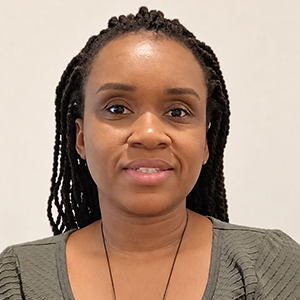
Olivia Paul serves International Child Care Ministries (ICCM) as the regional and transitions coordinator for Haiti. She holds a Master of Arts degree in conflict transformation from Eastern Mennonite University. She is also the founder of Wrecked Not Forsaken, a faith-based ministry serving women navigating the aftermath of divorce, particularly as it relates to their experience within faith communities. She examines faith community responses to divorce-related spiritual and religious harm through restorative justice and Christological lenses as part of her Ph.D. studies at Kairos University, formerly Sioux Falls Seminary. She lives in Central Florida with her two sons. For more on her ministry, visit wreckednotforsaken.com.
Great Writing + Discipleship Materials